|
Kawagoe Historical District in Saitama Prefecture
|
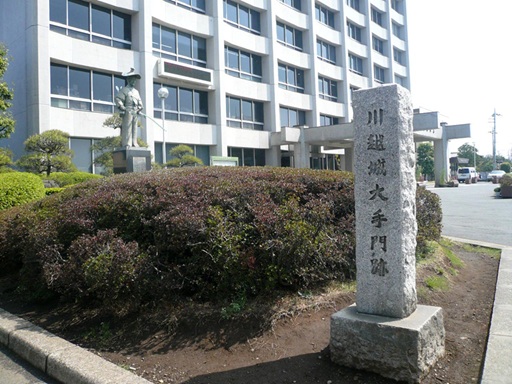
If you walk to the west from the remains of the Nakanomon moat, You will see the City Hall of Kawagoe.
Please refer the page of "The ruins of Kawagoe Castle" for the detail information :
http://cf916626.cloudfree.jp/HandE_Japan/TravelDestinations/Kanto/KawagoeCastle_E.html
There is a statue of OTA Dokan
(1432- 1486)
in City Hall.
OTA Dokan built Kawagoe Castle in 1457.
During the Edo Age
(1603 - 1868)
, the main gate of Kawagoe Castle was located near City Hall.
If you head further west from Kawagoe City Hall, you will arrive at the "Fudanotsuji" Corner.
Judging from the name of the place, I believe "Fudanotsuji" was a place where "Kosatsu", which displays the laws and regulations of the Kawagoe Feudal Domain, were posted during the Edo Age.
Turning south at "Fudanotsuji", the atmosphere changes from before.
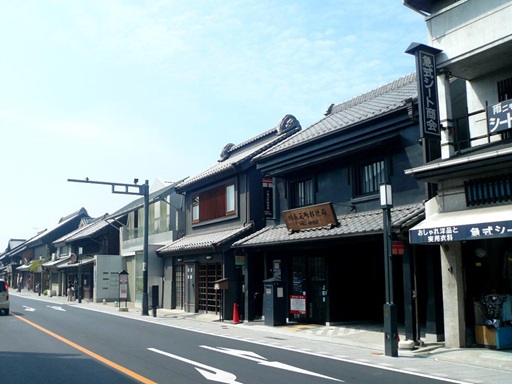
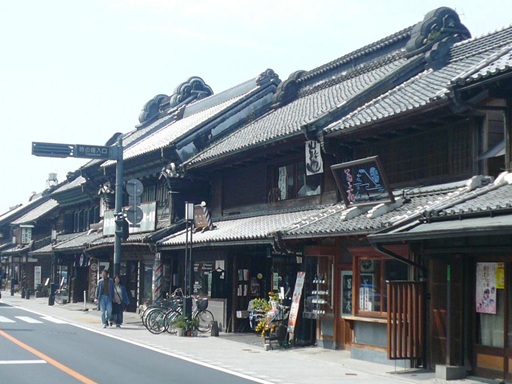
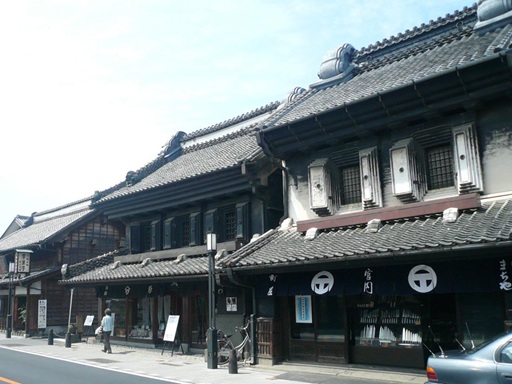
Rows of storehouses line both sides of the street heading south.
|
|
A major fire occurred in Kawagoe in 1893.
It is said that the fire in 1893 is the reason why Kawagoe has many storehouses in it's downtown.
The rows of black storehouses make you feel like as if you were in the Edo Age.
Kawagoe is known as "Little Edo".
Edo, the former Tokyo, also suffered from a series of major fires at the time, and it is said that storehouse buildings were found all over the city.
A corner of downtown Edo, where wealthy merchants lived, may have looked like this.
Unfortunately, this row of storehouses faces Kawagoe's main street, so there is a constant stream of traffic, which detracts from the charm of the historical townscape.
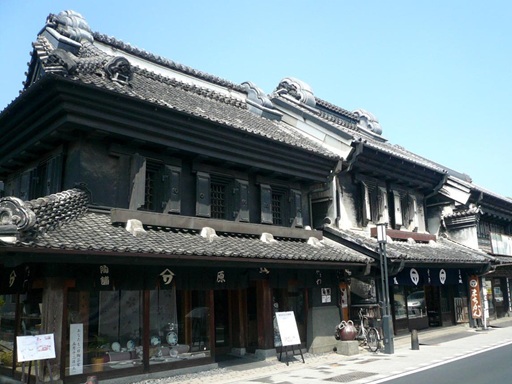
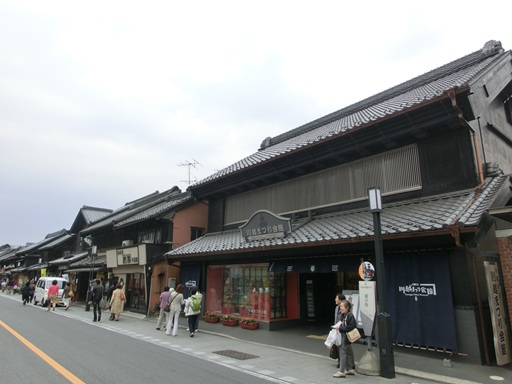
The photos above show the Kawagoe Festival Hall (below left) and the "Kurazukuri" Museum, the Storehouse Museum (below right).
The "Kurazukuri" Museum was an old building, but it's currently being demolished for earthquake-proofing work. It's scheduled to reopen in 2026.
|
|
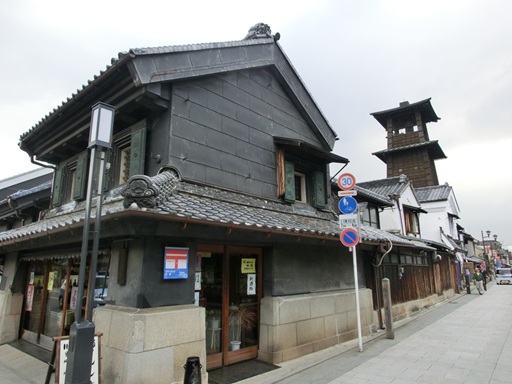
The photo below shows the "Kurazukuri" Museum before the earthquake-proofing work.
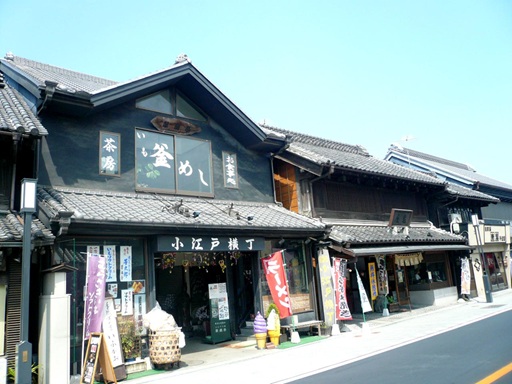
There was also an old storehouse building at the intersection with "Kanetsuki-dori" Steet and the main street lined with old storehouse buildings.
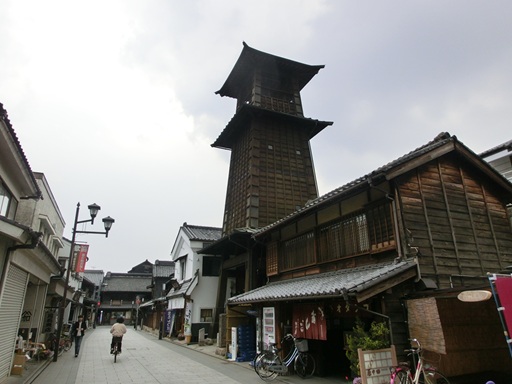
You will see the "Tokino-Kane" Bell at the back of the storehouse building.
As you step onto the "Kanetsuki-dori" Street from the main street, you will see the "Tokino-Kane" Bell Tower, nearby.
The "Tokino-Kane" Bell Tower was built at the beggining of the Edo Age, by SAKAI Tadakatsu
(1587 - 1662)
, who was the second Feudal Lord of Kawagoe Domain. The bell was destroyed in a fire in 1893 and rebuilt the following year.
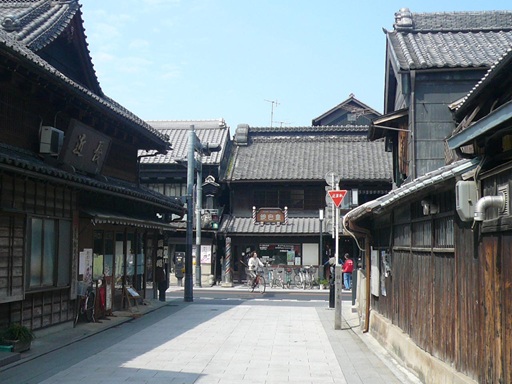
The below photo shows the main street from the "Kanetsuki-dori" Street.
This view is very impressive, and you will probably feel as if you were in the Edo Age.
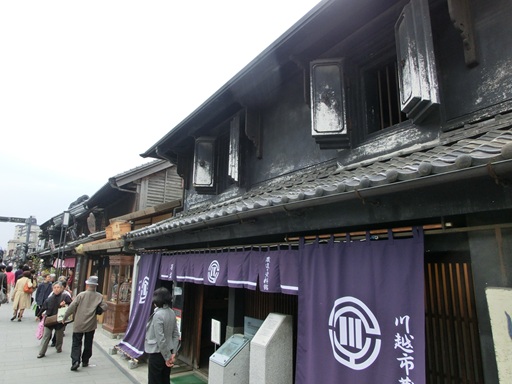
Many of Kawagoe's storehouse buildings have been converted into shops.
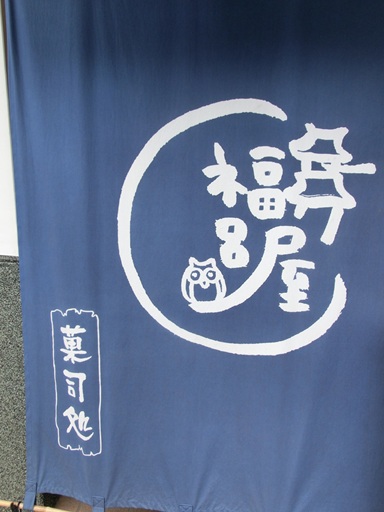
The "Noren", the shop curtains, of these shops also convey the atmosphere of the Edo Age.
Store house buildings in Kawagoe have been designated an Important Preservation District for Groups of Traditional Buildings.
Kawagoe is close to Tokyo and retains much of atmosphere in the Edo Age.
If you are interested in Japanese history, I would recommend to visit Kawagoe when you visit Tokyo.
The "Tokino-Kane" Belll is still rung four times a day.
|
|
|
How to get there
From Tokyo, take a train on the Seibu Shinjyuku Line to Hon-Kawagoe. Alternatively, take a JR Saikyo Line or Tobu Tojyo Line to Kawagoe.
The historical district in Kawagoe is located to the north from these stations. It takes you approximately fifteen minutes on foot.
Other Historical Sites near by:
Muryojyuji Temple in Kawagoe
Ruins of Kawagoe Castle
Ruins of "Kawagoe Yakata"
Ruins of Hachigata Castle
Ruins of Sugiyama Castle
|
|
 Home Page in Japanese: "Shane's HomePage"