Jyogashima Island at the tip of Miura Peninsula

Jyogashima is an island at the tip of the Miura Peninsula. It is located about 500m across the sea from Misaki, at the southern tip of the Miura Peninsula. It has been known since ancient times as a place of beautiful scenery.

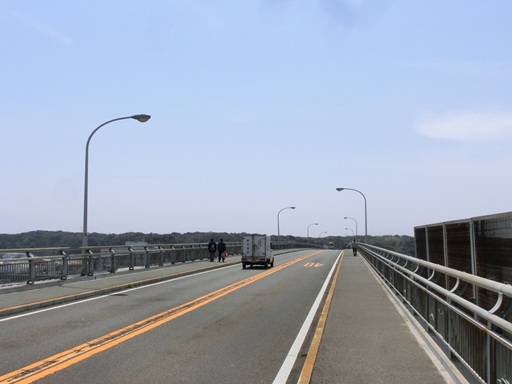
The Jyogashima Bridge spans a hill to the east of the Misaki Town. It opened in 1960, making it over 60 years old. There were other people walking back and forth across the bridge. It appears to be a regular commuter bridge for locals.

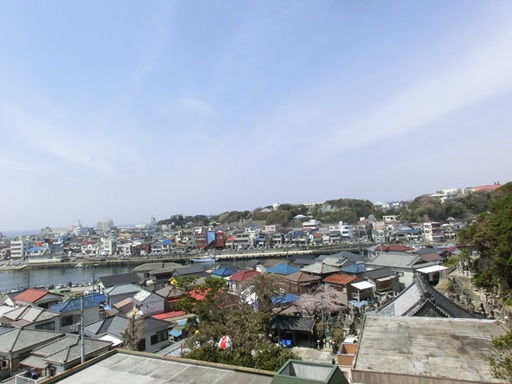
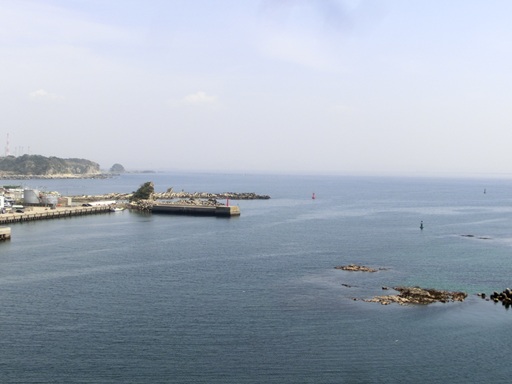
The photo below shows Misaki Town as seen from Jyogashima Bridge. The white building on the hill is Miura City Hall, built on the site of Misaki Castle.

Please refer the page of "Misaki Area in Miura Peninsula":
http://cf916626.cloudfree.jp/HandE_Japan/TravelDestinations/Kanto/Misaki_E.html

The temple in the foreground is Daitsubaki-ji Temple. Daitsubaki-ji Temple is said to have been built on the site of "Tsubaki Gosho", one of three MINAMOTO no Yoritomo's (1147 - 1199) Palaces in Misaki. MINAMOTO no Yoritomo was the first Shogunate in the Kamakura Age.

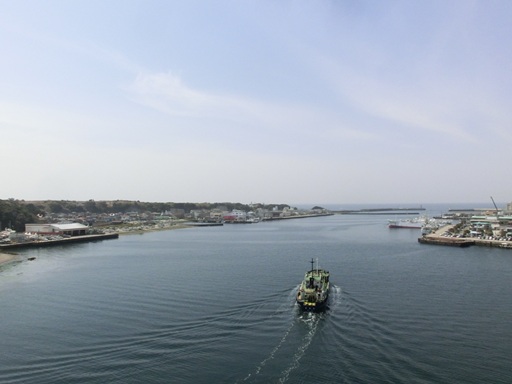
The view from Jyogashima Bridge is spectacular. As I was crossing Jyogashima Bridge, I saw a large fishing boat entering Misaki Port.

After about 10 minutes walk, I crossed Jyogashima Bridge and arrived at Jyogashima Island. I started walking along the footpath next to the large parking lot. Jyogashima Island is a long and narrow island running east to west. After walking along the footpath for a while, I soon crossed the island and arrived at the observation deck on the south side of the island.

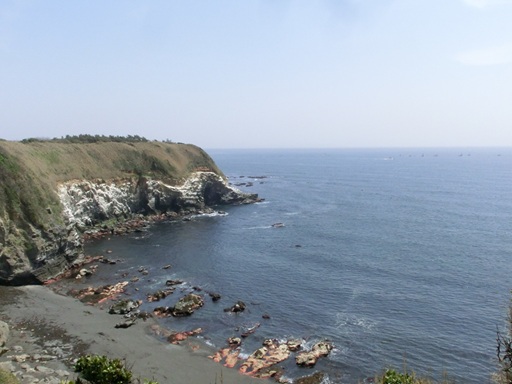
This is the view from the cliffs facing Akabane Beach on the southern side of Jyogashima. This observation deck, named as the Sea Cormorant Observatory, is one of Jyogashima's well-known sites. The coastal terrace cliffs continue to the south of Jyogashima, where sea cormorants breed, apparently earning it this name.

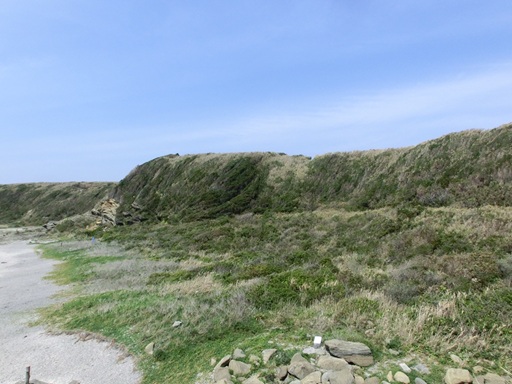
I headed west along the footpath. Gradually descending the slope, I eventually reached the coastline.

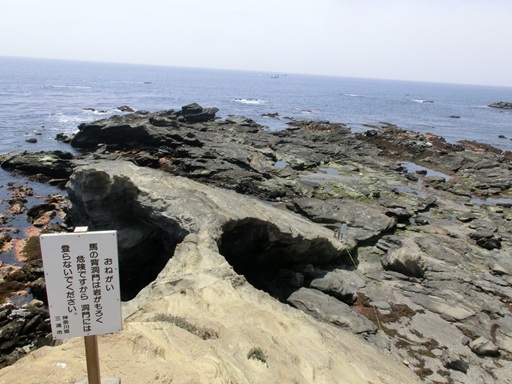
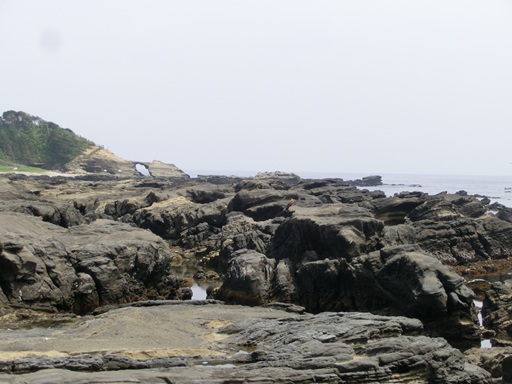
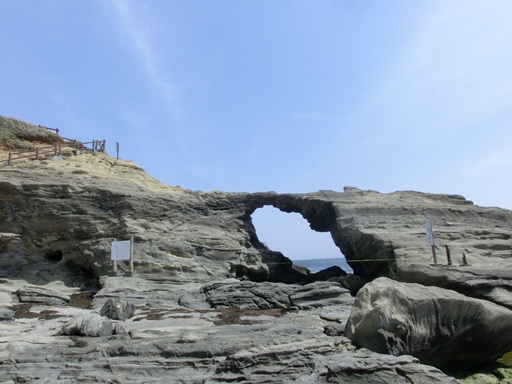
I happen to arrived at the top of "Umanose" Cave Gate. The signboard had a warning not to walk on top of the "Umanose" Cave Gate.

"Umanose" Cave Gate is another landmark in Jyogashima Island. It is a cave formed by years of wave erosion.

"Umanose" Cave Gate is a little way from the water's edge. So, it seems less susceptible to wave erosion. This is probably because the coast in this area rose up following the Great Kanto Earthquake, happened in 1923, 100 years ago.

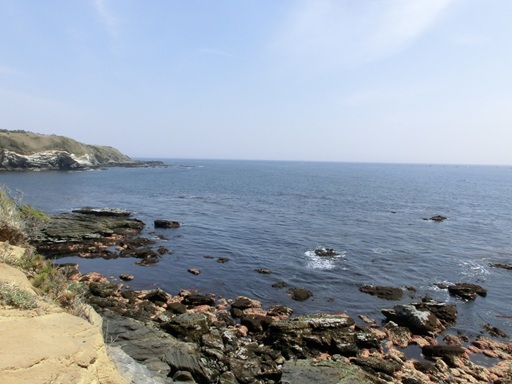
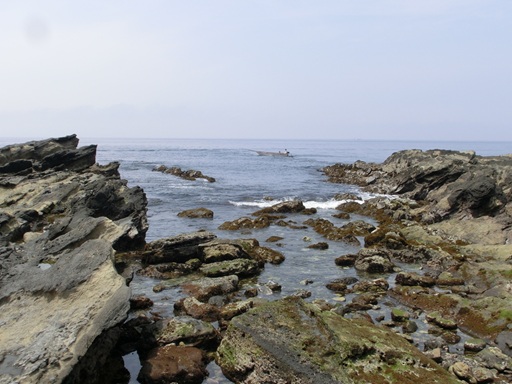
To the west of "Umanose" Cave Gate, coastal terraces and rocky shores further continue.

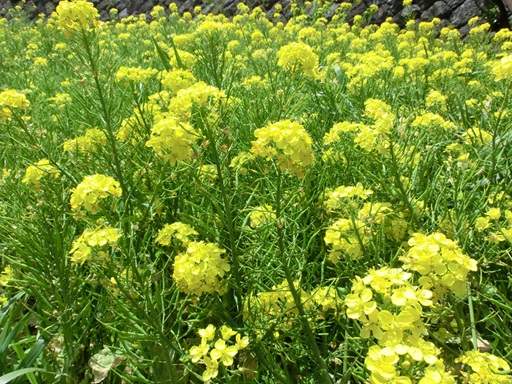
The first time I visited Jyogashima island, I turned back at "Umanose" Cave Gate. It was April in 2012. The rape blossoms were in full bloom.

A year and a half later, in July 2013, I visited Jyogashima Island, again. This time, I took a bus from Misakiguchi Station to the Jyogashima bus stop on the west side of the island.

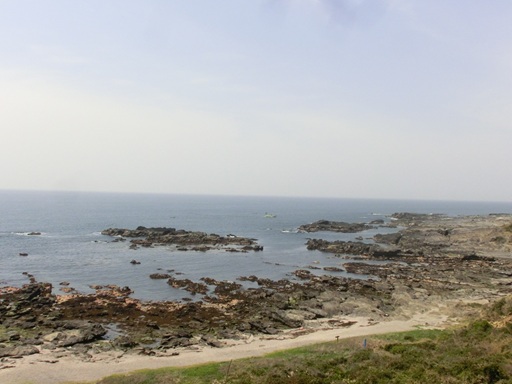
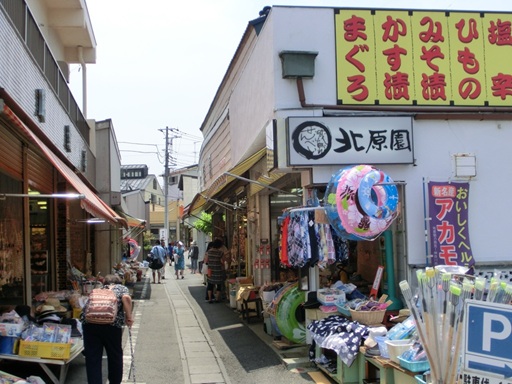
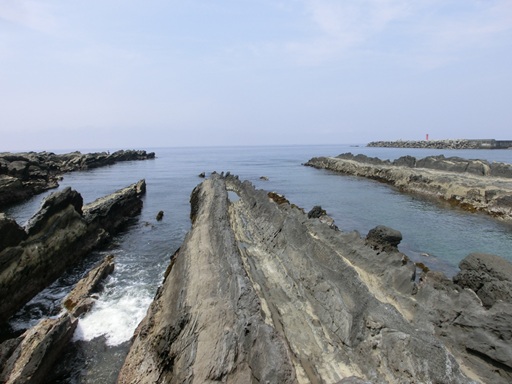
I passed seafood souvenir shops and headed towards the coast. The rock layers stretch out like streaks.
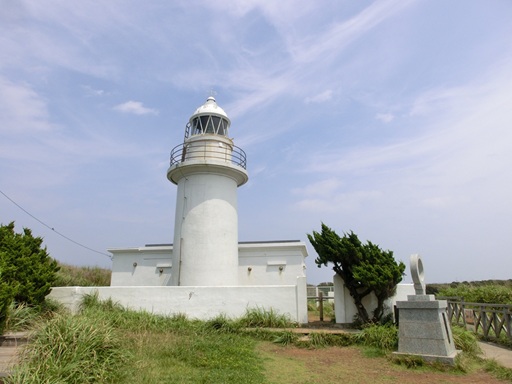
There was a lighthouse on high ground near the coast.

It was built in 1870 as Japan's fifth Western-style lighthouse. A beacon tower was placed on Jyogashima in 1648, early in the Edo Age (1603 - 1868) . It seems that it has been used to illuminate passing ships on Jyogashima since ancient times.

Walking east from the lighthouse along the shore below the sea cliffs, you will come across "Umanose" Cave Gate. Jyogashima is a very scenic place.

How to get there
From Shinagawa Station, take a Limited Express on the Keikyu (Keihin-Kyuko) Line to Misakiguchi. Take a bus from Misakiguchi Station to Jyogashima.

Other Historical Sites near by:
Uraga Area
Fukujyuji Temple
Cape Tsurugisaki
Abratsubo
Misaki